
The period between the beginning of World War II in September 1939 and Germany’s attack on France in May 1940 is often known as «The Phoney War» -«Guerra de Broma» in Spanish, «Drôle de Guerre» in French-. Despite the apparent lack of large military movements on the Western Front during this phase, tensions and strategic complexities were present and led to significant events.
The Phoney War emerged as a result of the complex geopolitical landscape in the aftermath of the Munich Agreement in 1938, where European powers attempted to appease Hitler’s expansionist ambitions. The signing of the Molotov-Ribbentrop Pact in August 1939 between Nazi Germany and the Soviet Union further added to the uncertainty. As war broke out with the German invasion of Poland on September 1, 1939, the world held its breath, expecting a swift and decisive follow-up.
The French, relyed on the defensive power of the Maginot Line, which was a heavily fortified defensive line built by France along its eastern border with Germany during the 1930s. It consisted of bunkers, fortresses, and obstacles, aiming to prevent a repeat of the German invasion experienced in World War I. Despite its formidable construction, the Maginot Line became synonymous with the limitations of fixed fortifications when Germany bypassed it during the Blitzkrieg in 1940.
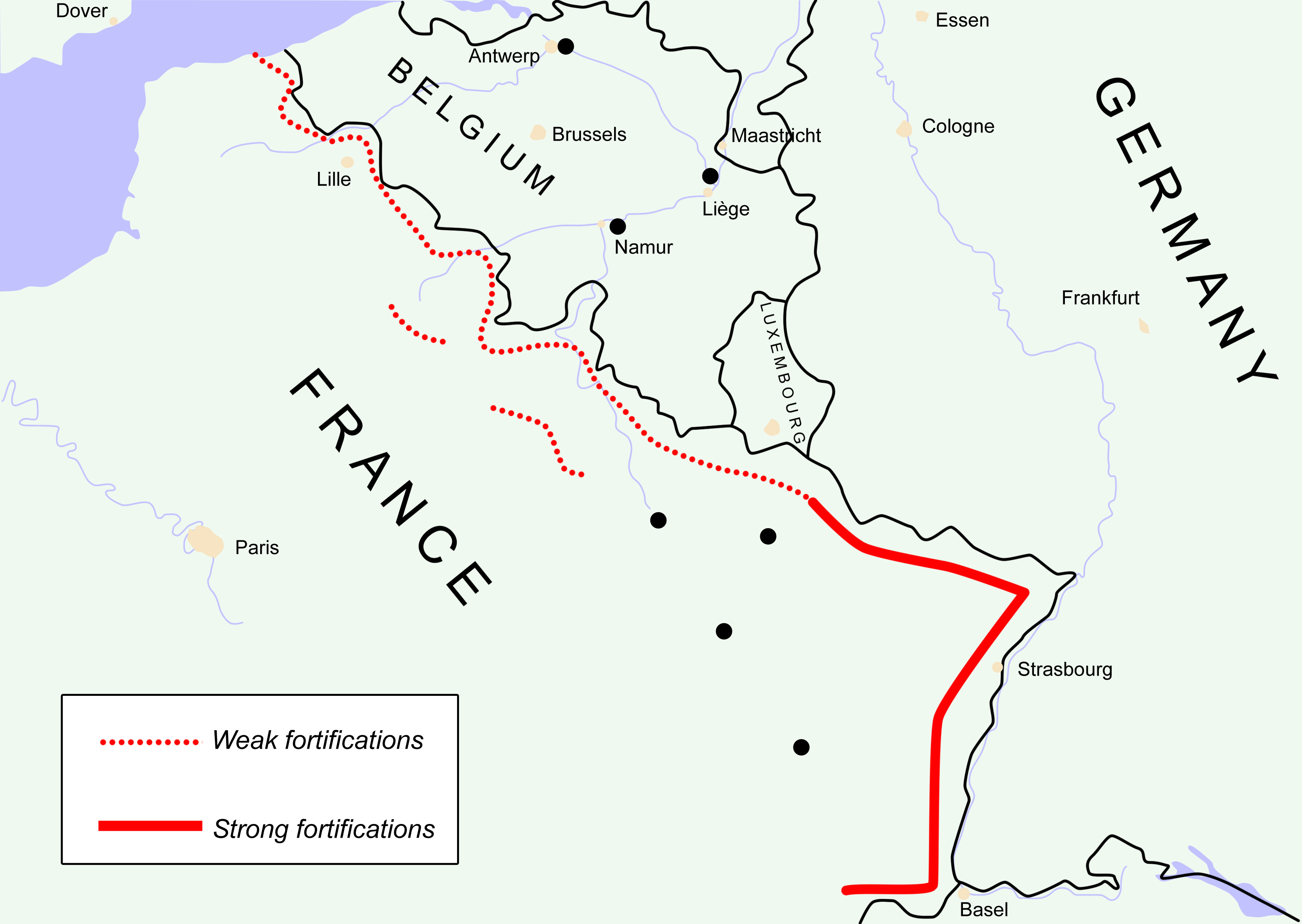
The British Expeditionary Force in Belgium faced off against the German Army in the static frontline that gave the impression of a war on hold, earning it the name «Sitzkrieg» or «sitting war». While land operations were limited, naval activities and global maneuvers were underway. The Winter War between the Soviet Union and Finland further added complexity, drawing attention and resources away from the primary theater. The Scandinavian Campaign, marked by Germany’s invasion of Denmark and Norway in April 1940, signaled the end of The Phoney War, breaking the illusion of inactivity.
During this period, for civilians in Allied countries, The Phoney War created a mixed sense of unease and anticipation, and evacuation, air raid drills, and blackouts became part of their daily life, reflecting their anticipation of an imminent conflict.
In summary, The Phoney War was a tricky period in the early stages of World War II, characterized by little active military offensives on the Western Front. Nevertheless, the static fronts, naval activities, and distant conflicts created an atmosphere of uncertainty and anticipation, setting the stage for the swift and spectacular developments that followed in the spring of 1940. Understanding The Phoney War is essential to comprehend the war’s early phases’ complexities and subtleties.
How much did you learn about the Phoney War? Check it out here!
 El espacio de JAGAYALA