SEPTEMBER 11, 2001: A TURNING POINT IN RECENT HISTORY

On 11 September 2001, four passenger planes were hijacked in the United States by members of the terrorist organisation Al-Qaeda. Two planes crashed into the Twin Towers of the World Trade Center in New York, one hit the Pentagon near Washington D.C., and a fourth plane crashed in Pennsylvania after passengers and crew tried to regain control.

Almost 3,000 people were killed. Millions of people around the world watched the attacks live on television, and the images of the Twin Towers became some of the most shocking images of the beginning of the 21st century.

However, 9/11 was not only important because of what happened that day. It also had major political and military consequences. The United States launched the so-called “War on Terror”, invaded Afghanistan, increased security measures at airports and borders, and changed the way international terrorism was discussed and confronted.

The attacks also had a strong impact on international relations. Security became a central issue in many countries, military interventions increased, and public debate about terrorism, civil liberties and foreign policy became much more intense.

For this reason, 9/11 is often considered a turning point in recent history.

Think about these questions:

  1. What do you already know about 9/11?
  2. Why do you think this event is still remembered today?
  3. Why can an event in one country have consequences all over the world?

Watch the video

Watch the video carefully and answer the following questions in full sentences. Do not simply copy words from the video: explain the ideas in your own words.

After watching the video

  1. What happened on 11 September 2001?
  2. Which moment or image in the video affected you most? Why?
  3. Why did the attacks have such a strong impact around the world?
  4. What consequences of 9/11 are mentioned or suggested in the video?
  5. How did the attacks change the way people thought about security and terrorism?
  6. What role did television and the media play that day?
  7. What new information did you learn from the video?
  8. What question would you ask after watching it?

Historical thinking

Explain the meaning of these concepts:

  • War on Terror
  • terrorism
  • international security
  • foreign policy
  • civil liberties

Then answer:

Can governments increase security without reducing individual freedoms? Give your opinion and explain your answer.

Geography task

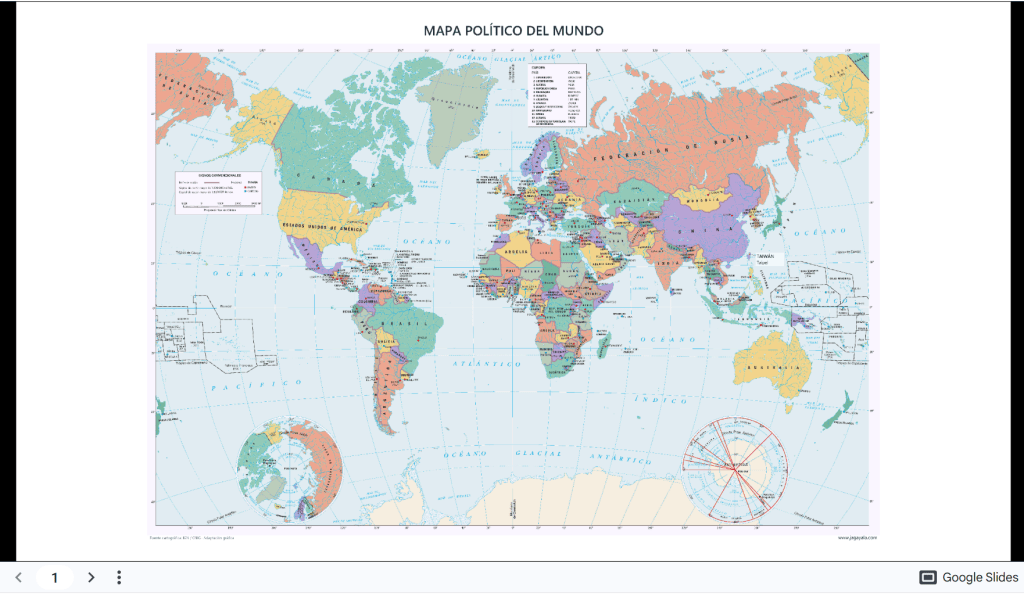
Locate these places on a map:

  • New York
  • Washington D.C.
  • Pennsylvania
  • Afghanistan
  • Iraq

Then write one sentence explaining why each place is connected to the history of 9/11.

Final reflection

Write about 80–100 words answering this question:

Why can 9/11 be considered a turning point in recent history?

Try to include at least three of these ideas:

  • international terrorism
  • military intervention
  • airport security
  • foreign policy
  • media
  • civil liberties
  • international relations

11 DE SEPTIEMBRE DE 2001: EL DÍA QUE CAMBIÓ EL MUNDO

El 11 de septiembre de 2001 cuatro aviones comerciales fueron secuestrados en Estados Unidos por miembros de la organización terrorista Al Qaeda. Dos de ellos impactaron contra las Torres Gemelas del World Trade Center, en Nueva York; otro chocó contra el Pentágono, cerca de Washington D. C.; y un cuarto avión cayó en Pensilvania después de que pasajeros y tripulación intentaran recuperar el control.

Los atentados causaron la muerte de casi 3.000 personas y provocaron una enorme conmoción internacional. Millones de personas siguieron los acontecimientos en directo por televisión y las imágenes de las Torres Gemelas se convirtieron en uno de los símbolos más reconocibles del inicio del siglo XXI.

Pero el 11-S no fue importante solo por lo ocurrido aquel día. También tuvo consecuencias políticas, militares y sociales. Estados Unidos inició la llamada “guerra contra el terrorismo”, intervino militarmente en Afganistán y reforzó las medidas de seguridad en aeropuertos y fronteras. Viajar en avión cambió, y la seguridad pasó a ocupar un lugar mucho más importante en la vida cotidiana.

Además, el 11-S demuestra cómo un acontecimiento ocurrido en un lugar concreto puede tener repercusiones en todo el planeta. A partir de entonces, conceptos como terrorismo internacional, seguridad, conflictos armados, migraciones o relaciones entre Estados aparecieron con mucha más frecuencia en los medios de comunicación.

Piensa y responde brevemente:

  1. ¿Qué sabes ya sobre el 11-S?
  2. ¿Por qué crees que este acontecimiento sigue siendo recordado más de veinte años después?
  3. ¿Qué relación puede tener un atentado ocurrido en Estados Unidos con otros países del mundo?

Responde con tus propias palabras:

  1. Resume qué ocurrió el 11 de septiembre de 2001.
  2. ¿Qué imagen o momento del vídeo te ha llamado más la atención? Explica por qué.
  3. ¿Qué sentimientos crees que pudieron experimentar las personas que vivieron aquellos acontecimientos en directo?
  4. ¿Por qué piensas que el 11-S tuvo un impacto tan grande en todo el mundo y no solamente en Estados Unidos?
  5. Escribe al menos tres consecuencias del 11-S.
  6. ¿Qué importancia tuvieron la televisión y los medios de comunicación aquel día?
  7. ¿Crees que hoy viviríamos un acontecimiento similar de la misma manera? Explica qué papel tendrían las redes sociales.
  8. Escribe dos preguntas que te hayan surgido después de ver el vídeo.

Localiza en un mapa:

  • Nueva York
  • Washington D. C.
  • Afganistán
  • Irak

Escribe una frase explicando por qué cada uno de esos lugares aparece relacionado con la historia del 11-S.

Reflexión final

Escribe unas 5 líneas comenzando así:

“El 11-S es importante para comprender el mundo actual porque…”