
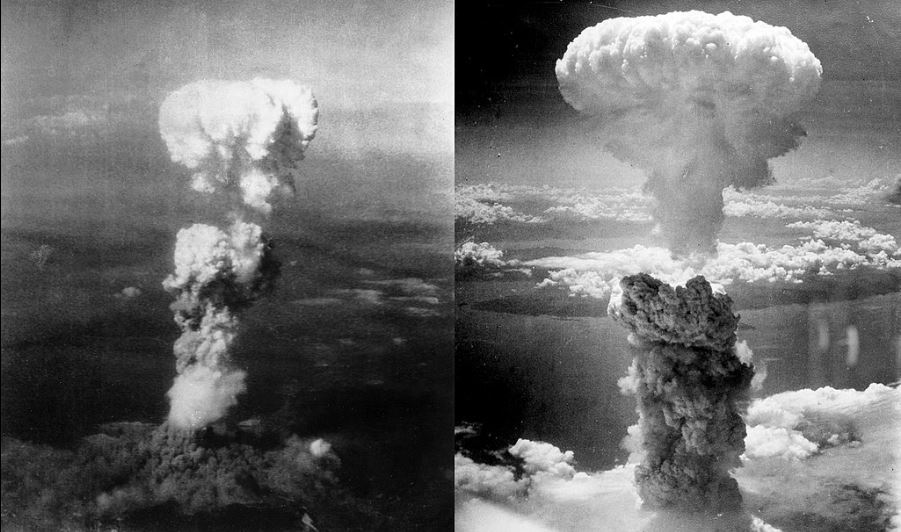
The bombings of Hiroshima and Nagasaki stand as pivotal moments in world history, forever altering the course of warfare and prompting profound reflections on the ethical use of military power. This essay delves into the events leading up to the bombings, the immediate aftermath, and the long-term consequences, addressing the ethical implications surrounding the use of atomic weapons.
The closing stages of World War II saw Japan clinging to a defensive position, refusing to surrender despite facing imminent defeat. The Allied forces, seeking to bring the war to an end, contemplated the use of a revolutionary weapon – the atomic bomb. The Manhattan Project, a top-secret research initiative, culminated in the successful testing of the first atomic bomb in July 1945.

On August 6, 1945, the United States dropped an atomic bomb, codenamed «Little Boy», on Hiroshima, a bustling city with significant military importance. The devastation was unparalleled – the blast obliterated structures, instantly killing tens of thousands and leaving lasting effects on survivors.
Three days later, on August 9, 1945, a second bomb, «Fat Man», was dropped on Nagasaki. Although smaller than the Hiroshima bomb, its impact was equally devastating. The twin bombings marked the first and only instances of nuclear weapons being used in warfare.
The immediate aftermath of the bombings witnessed unparalleled destruction. Hiroshima and Nagasaki were reduced to rubble, with the majority of the population succumbing to the immediate effects of the blasts or suffering from severe injuries. The unprecedented scale of destruction prompted Japan’s surrender on August 15, 1945, marking the end of World War II.
The decision to use atomic bombs has been a subject of intense ethical debate. Proponents argue that it hastened the end of the war, saving countless lives that would have been lost in a prolonged conflict. Critics, however, question the necessity of such extreme measures, citing the immense civilian casualties and the long-lasting effects of radiation on survivors.
The atomic bombings of Hiroshima and Nagasaki left enduring consequences on the survivors, commonly known as «hibakusha». Many suffered from radiation sickness, cancers, and other health issues, and their descendants continue to grapple with the genetic impact of exposure. The bombings also initiated the nuclear arms race, heightening tensions during the Cold War.
In the aftermath of the bombings, Hiroshima and Nagasaki transformed into symbols of peace, with numerous memorials erected to commemorate the victims. The Hiroshima Peace Memorial, commonly known as the Atomic Bomb Dome, stands as a poignant reminder of the destructive potential of nuclear weapons. These memorials serve as platforms for reflection, fostering a collective commitment to preventing future nuclear catastrophes.
The bombings of Hiroshima and Nagasaki remain a haunting chapter in human history, forcing us to confront the ethical implications of wielding unprecedented destructive power. As we reflect on the devastation wrought by atomic weapons, it is imperative to work towards a world where diplomatic solutions prevail over militaristic ones, ensuring a future free from the specter of nuclear conflict.
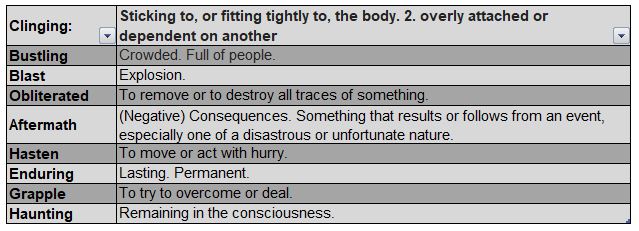
Vocabulary:
How much did you learn about the impact of atomic bombing on Hiroshima and Nagasaki? Check-it out here!:
 El espacio de JAGAYALA