IMPERIALISM AND THE ROAD TO THE GREAT WAR

The 1898 cartoon shows European powers—Queen Victoria (Britain), Kaiser Wilhelm II (Germany), Tsar Nicholas II (Russia), Marianne (France), and Emperor Meiji (Japan)—dividing China, represented by a powerless Mandarin, highlighting China’s vulnerability to foreign influence. Source: National Library of France

Imperialism, a policy where a nation extends its control over foreign territories, often by military force, colonization, or economic dominance, was a defining feature of the 19th and early 20th centuries. The period known as the «New Imperialism,» which began in the late 19th century, saw European powers, along with the United States and Japan, aggressively expanding their empires. This expansion was driven by a mix of economic interests, political ambitions, and cultural motives. The competition for colonies, resources, and influence among the great powers eventually contributed to the tensions that exploded into the First World War.

The Roots of Imperialism

Sigue leyendo

THE FALL OF THE BERLIN WALL

West and East Berlin.svg
Jkan997, CC BY-SA 3.0, via Wikimedia Commons

The fall of the Berlin Wall on November 9, 1989, stands as one of the most important events of the 20th century, symbolizing the collapse of communism in Eastern Europe and the reunification of Germany. This historic event, which brought joy and hope to millions around the world, marked the end of decades of division, oppression, and conflict and ushered in a new era of freedom, democracy, and reconciliation.

Sigue leyendo

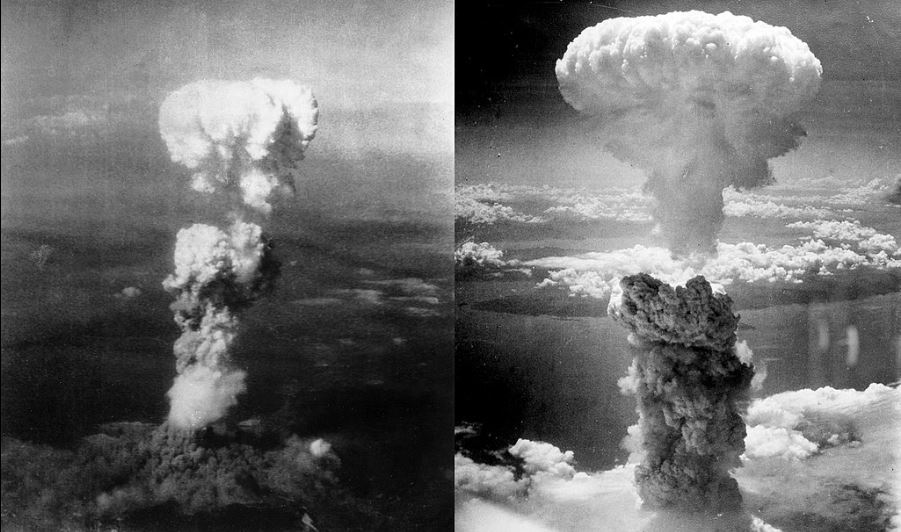
THE IMPACT OF THE ATOMIC BOMBS ON HIROSHIMA AND NAGASAKI

Hiroshima (left) and Nagasaki (right) atomic bombings on August 1945. Source: Wikipedia.

The bombings of Hiroshima and Nagasaki stand as pivotal moments in world history, forever altering the course of warfare and prompting profound reflections on the ethical use of military power. This essay delves into the events leading up to the bombings, the immediate aftermath, and the long-term consequences, addressing the ethical implications surrounding the use of atomic weapons.

Sigue leyendo

THE PHONEY WAR

The period between the beginning of World War II in September 1939 and Germany’s attack on France in May 1940 is often known as «The Phoney War» -«Guerra de Broma» in Spanish, «Drôle de Guerre» in French-. Despite the apparent lack of large military movements on the Western Front during this phase, tensions and strategic complexities were present and led to significant events.

Sigue leyendo

WINSTON CHURCHILL

Winston Churchill, whose full name was Sir Winston Leonard Spencer-Churchill, was one of the most iconic and influential figures of the 20th century. He was born on November 30, 1874, into a prestigious British aristocratic family, and his life’s journey would lead him to become one of the world’s most renowned statesmen and leaders.

Sigue leyendo