IMPERIALISM AND THE ROAD TO THE GREAT WAR

The 1898 cartoon shows European powers—Queen Victoria (Britain), Kaiser Wilhelm II (Germany), Tsar Nicholas II (Russia), Marianne (France), and Emperor Meiji (Japan)—dividing China, represented by a powerless Mandarin, highlighting China’s vulnerability to foreign influence. Source: National Library of France

Imperialism, a policy where a nation extends its control over foreign territories, often by military force, colonization, or economic dominance, was a defining feature of the 19th and early 20th centuries. The period known as the «New Imperialism,» which began in the late 19th century, saw European powers, along with the United States and Japan, aggressively expanding their empires. This expansion was driven by a mix of economic interests, political ambitions, and cultural motives. The competition for colonies, resources, and influence among the great powers eventually contributed to the tensions that exploded into the First World War.

The Roots of Imperialism

Sigue leyendo

THE FALL OF THE BERLIN WALL

West and East Berlin.svg
Jkan997, CC BY-SA 3.0, via Wikimedia Commons

The fall of the Berlin Wall on November 9, 1989, stands as one of the most important events of the 20th century, symbolizing the collapse of communism in Eastern Europe and the reunification of Germany. This historic event, which brought joy and hope to millions around the world, marked the end of decades of division, oppression, and conflict and ushered in a new era of freedom, democracy, and reconciliation.

Sigue leyendo

THE PROCLAMATION OF THE SECOND SPANISH REPUBLIC

Spanish Republic Mariana. Source: https://shorturl.at/ahyB6

The proclamation of the Second Spanish Republic marked a significant historical milestone that radically transformed the country’s political course. This event, which took place on April 14, 1931, occurred in a context where just five years earlier, the Spanish people were expressing loyalty to the monarchy with shouts of ‘¡Viva el rey!’ -‘Long live the King!’-

Sigue leyendo

THE SPANISH FLU OF 1918

The year 1918 marked a pivotal moment in global history with the occurrence of the Spanish Flu, a devastating influenza pandemic that swept across the world, leaving an indelible mark on societies and healthcare systems. However, contrary to its name, the Spanish Flu did not originate in Spain. The exact origins of the virus remain elusive, with theories pointing to the trenches of World War I, where close quarters and stressed immune systems facilitated its rapid transmission. The close living conditions of soldiers provided an ideal breeding ground for the virus.

Sigue leyendo

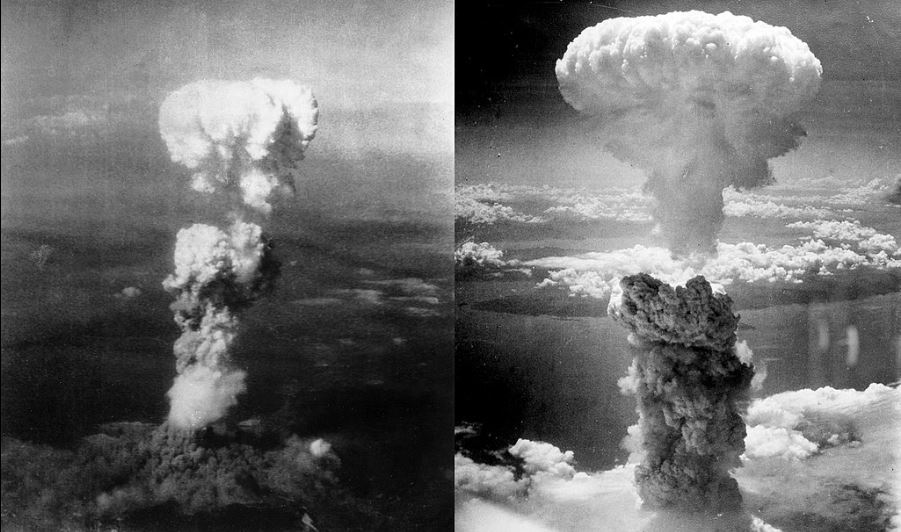
THE IMPACT OF THE ATOMIC BOMBS ON HIROSHIMA AND NAGASAKI

Hiroshima (left) and Nagasaki (right) atomic bombings on August 1945. Source: Wikipedia.

The bombings of Hiroshima and Nagasaki stand as pivotal moments in world history, forever altering the course of warfare and prompting profound reflections on the ethical use of military power. This essay delves into the events leading up to the bombings, the immediate aftermath, and the long-term consequences, addressing the ethical implications surrounding the use of atomic weapons.

Sigue leyendo