IN THE FOOTSTEPS OF THE HOLOCAUST: MUSEUMS AND MEMORIAL SITES

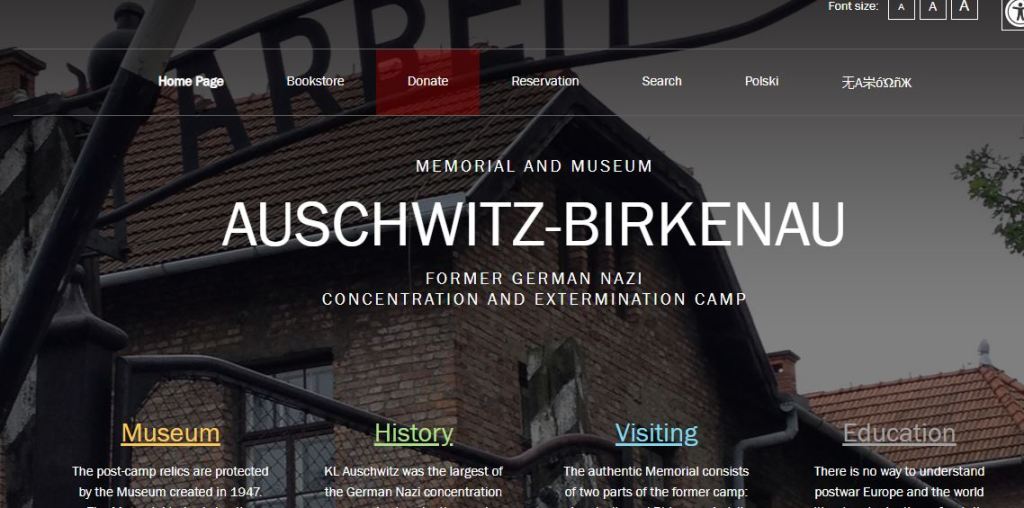
The Holocaust -or Shoá-, the systematic extermination of millions of European Jews by Nazi Germany and its collaborators, constitutes one of the darkest episodes in contemporary history. Visiting memorial sites, former concentration camps or museums dedicated to the Holocaust is not only a historical experience: it also helps us understand how far hatred and dehumanisation can go.

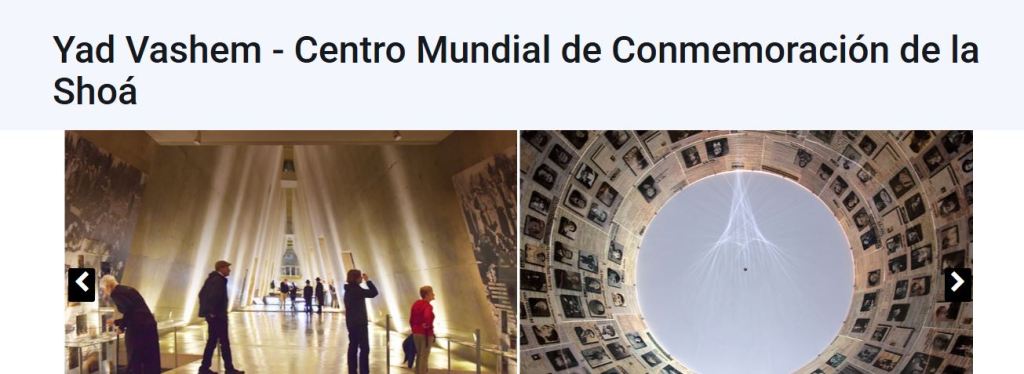
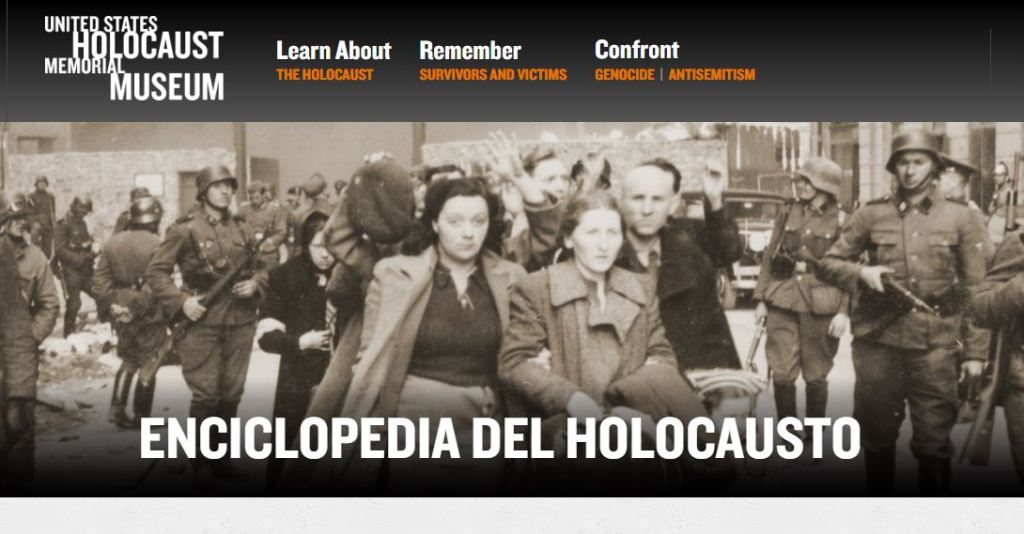
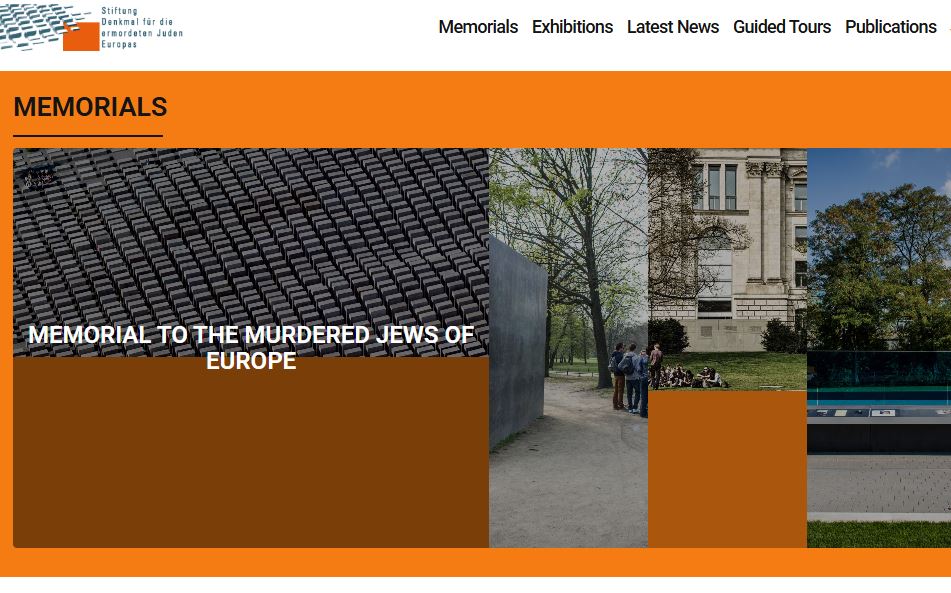
At a time when antisemitism and extremist discourses are re-emerging, preserving memory remains a collective responsibility. Museums, memorials and digital archives allow visitors to approach the history of the Shoah through testimonies, documents and spaces for reflection.

These are some of the most interesting places and resources to better understand the Holocaust and keep alive the memory of its victims. Memory cannot change the past, but it may help prevent certain mistakes from being repeated.



IMPERIALISM AND THE ROAD TO THE GREAT WAR

The 1898 cartoon shows European powers—Queen Victoria (Britain), Kaiser Wilhelm II (Germany), Tsar Nicholas II (Russia), Marianne (France), and Emperor Meiji (Japan)—dividing China, represented by a powerless Mandarin, highlighting China’s vulnerability to foreign influence. Source: National Library of France

Imperialism, a policy where a nation extends its control over foreign territories, often by military force, colonization, or economic dominance, was a defining feature of the 19th and early 20th centuries. The period known as the «New Imperialism,» which began in the late 19th century, saw European powers, along with the United States and Japan, aggressively expanding their empires. This expansion was driven by a mix of economic interests, political ambitions, and cultural motives. The competition for colonies, resources, and influence among the great powers eventually contributed to the tensions that exploded into the First World War.

The Roots of Imperialism

Sigue leyendo

THE FALL OF THE BERLIN WALL

West and East Berlin.svg
Jkan997, CC BY-SA 3.0, via Wikimedia Commons

The fall of the Berlin Wall on November 9, 1989, stands as one of the most important events of the 20th century, symbolizing the collapse of communism in Eastern Europe and the reunification of Germany. This historic event, which brought joy and hope to millions around the world, marked the end of decades of division, oppression, and conflict and ushered in a new era of freedom, democracy, and reconciliation.

Sigue leyendo